
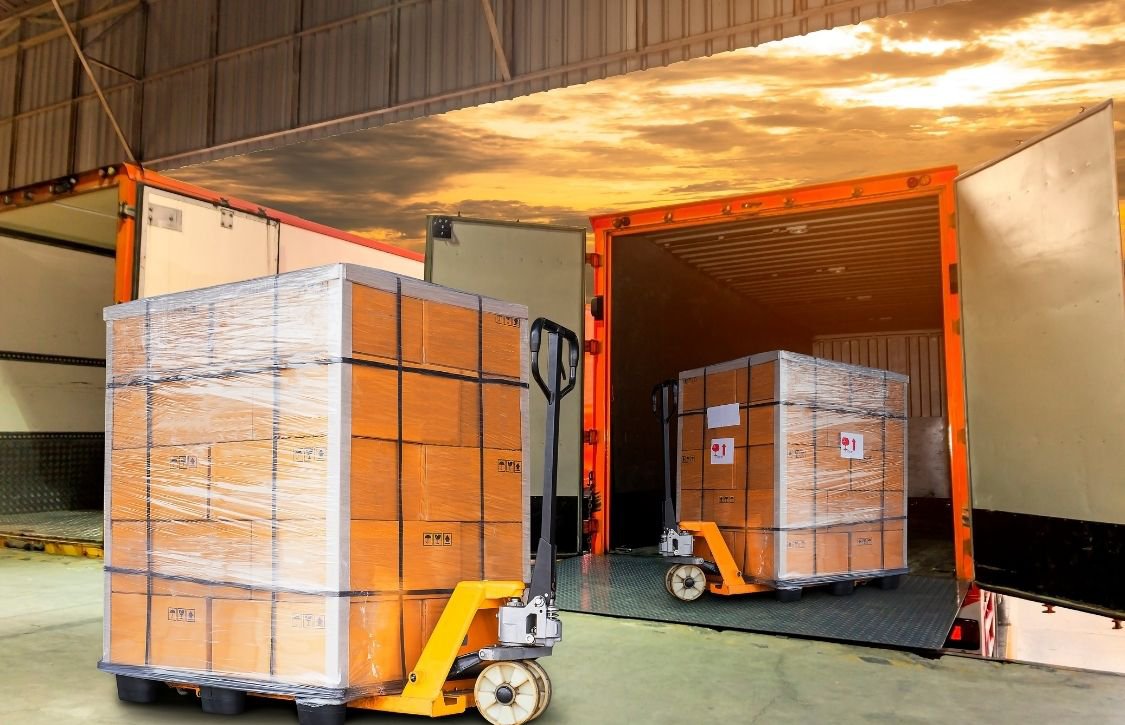
Optimizing the Hand-Off: Strategies for Improving Warehouse-to-Carrier Transit
The outbound dock is where warehouse efficiency meets carrier schedules. A slow handoff here erases every gain your picking and packing teams worked to deliver.
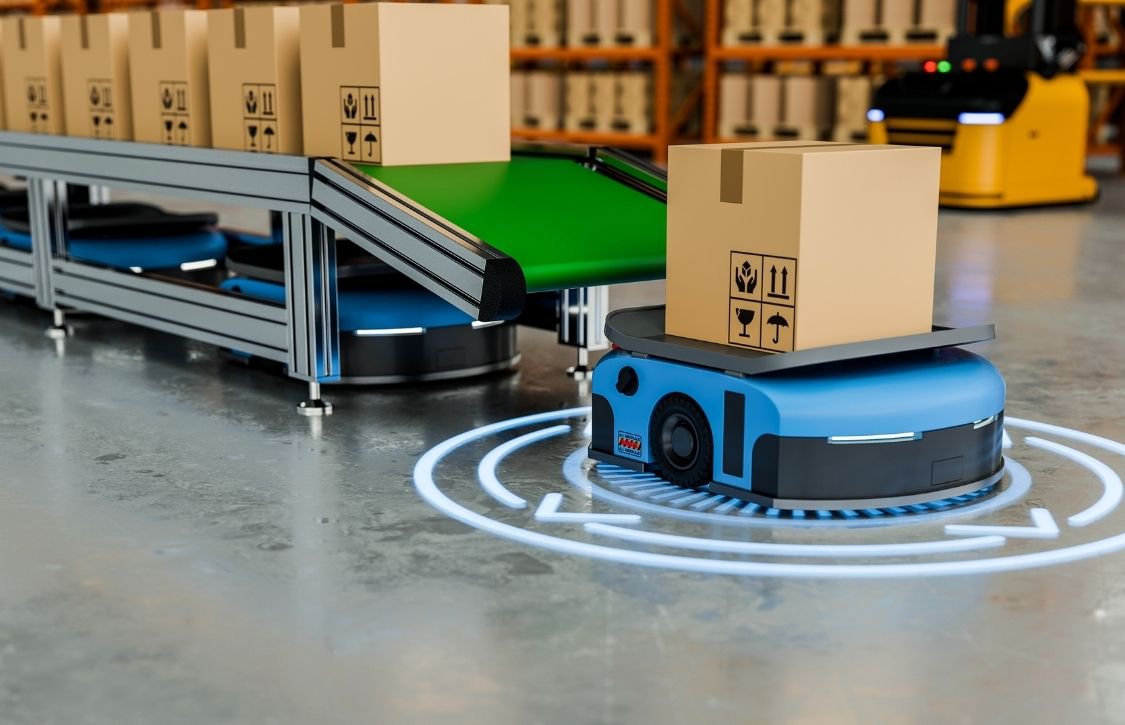
The Modern Distribution Center: Investing in Automated Material Handling Systems
Automated material handling systems help distribution centers move products faster while reducing workplace strain. Learn how strategic automation upgrades improve order accuracy, and support long-term[…]

The Executive’s Case for Continuous Cycle Counting: Maximizing Asset Utilization
A continuous cycle counting strategy improves asset utilization and reduces hidden inventory losses. Learn why more executives are making it a business priority.
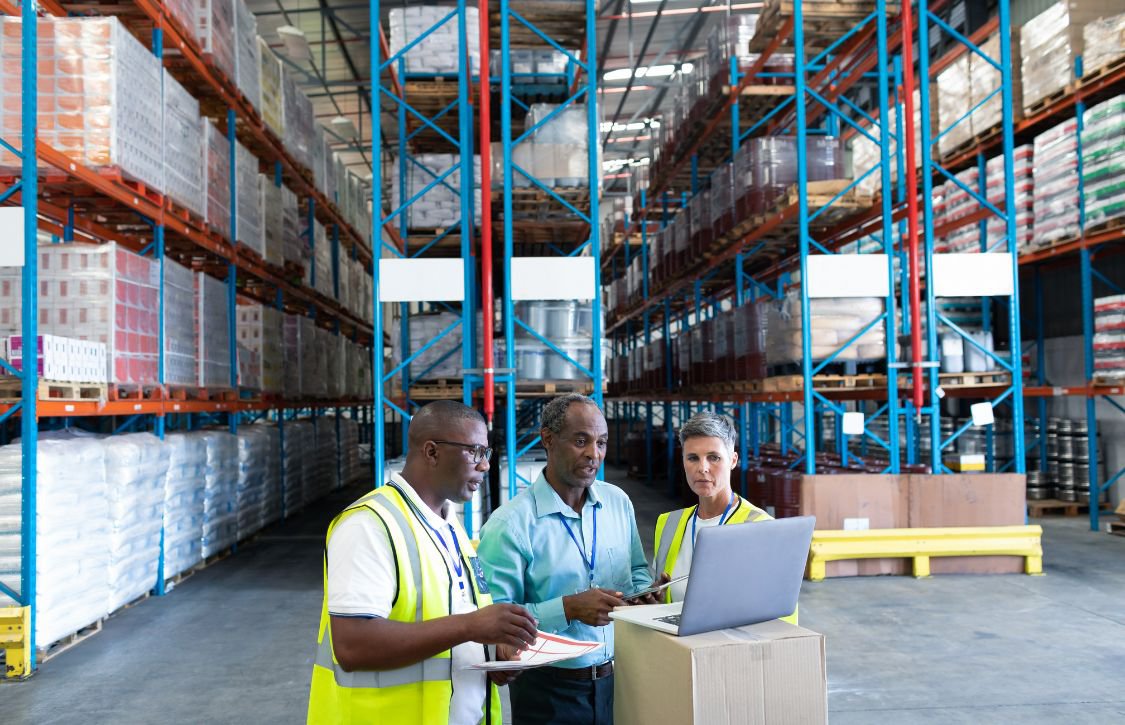
Orchestrating Growth: The Strategic Value of Integrated Distribution Software
Integrated distribution software unifies orders, inventory, and freight in one platform. Learn why growing brands depend on it to improve efficiency and scale operations.
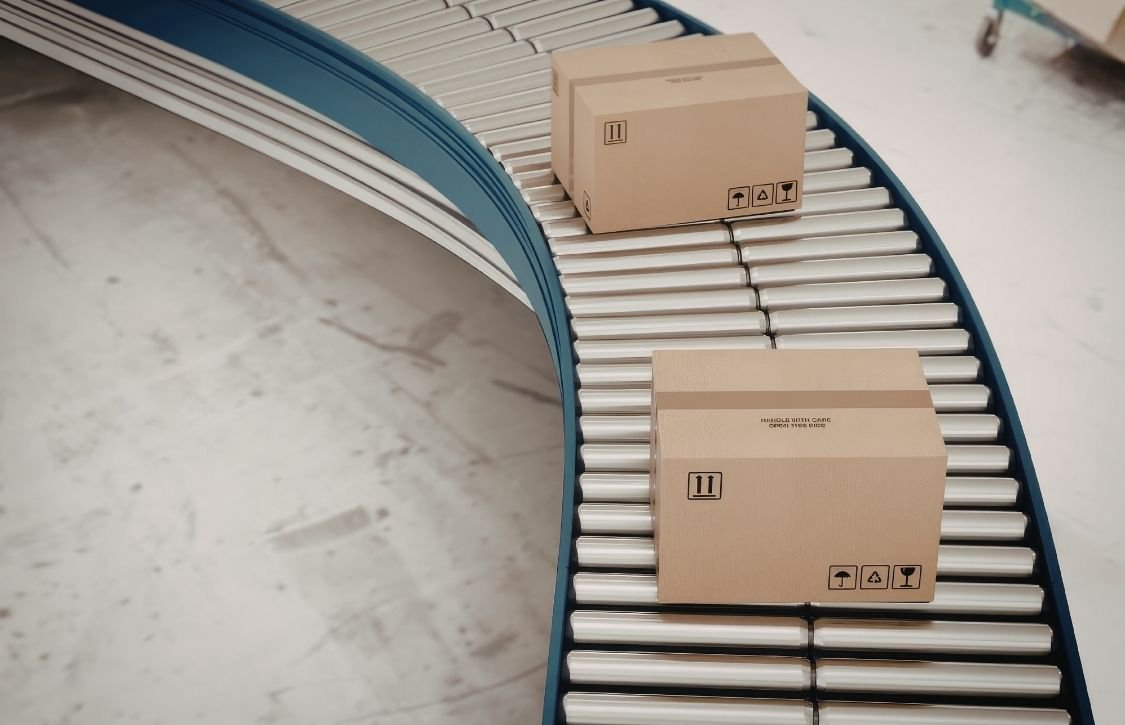
When Should You Invest in Specialized Material Handling for High-Value Goods?
Discover when automated handling becomes a smart investment for protecting high-value inventory, reducing damage, and lowering shrinkage.

Data-Driven Logistics: Using ERP Business Intelligence (BI) to Forecast Demand
ERP BI turns warehouse data into forecasts you can trust. Learn how data-driven logistics teams predict demand more accurately.
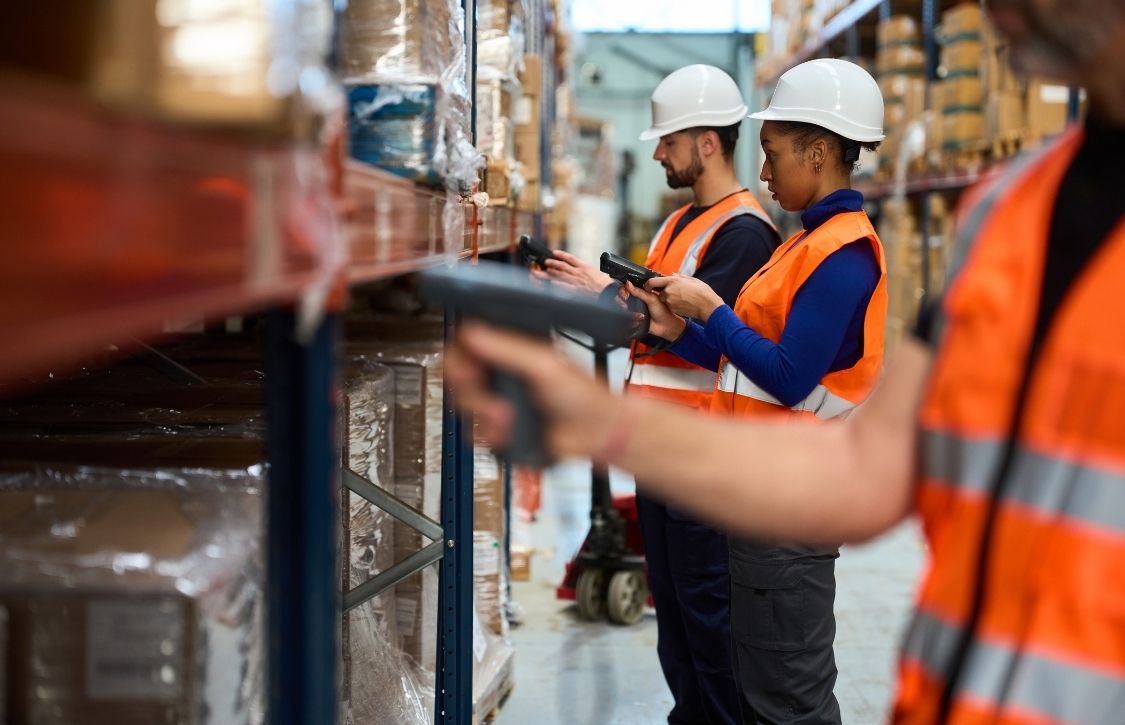
How Asset-Based Inventory Accuracy Protects Your Bottom Line
A disciplined cycle count program catches inventory errors before they hit your bottom line. Learn how asset-based accuracy pays off.

Northeast Hub: Optimizing Distribution Within 100 Miles of Major Ports
Distribution near major ports shortens transit time and lowers freight risk. See how a Northeast hub strengthens your supply chain.
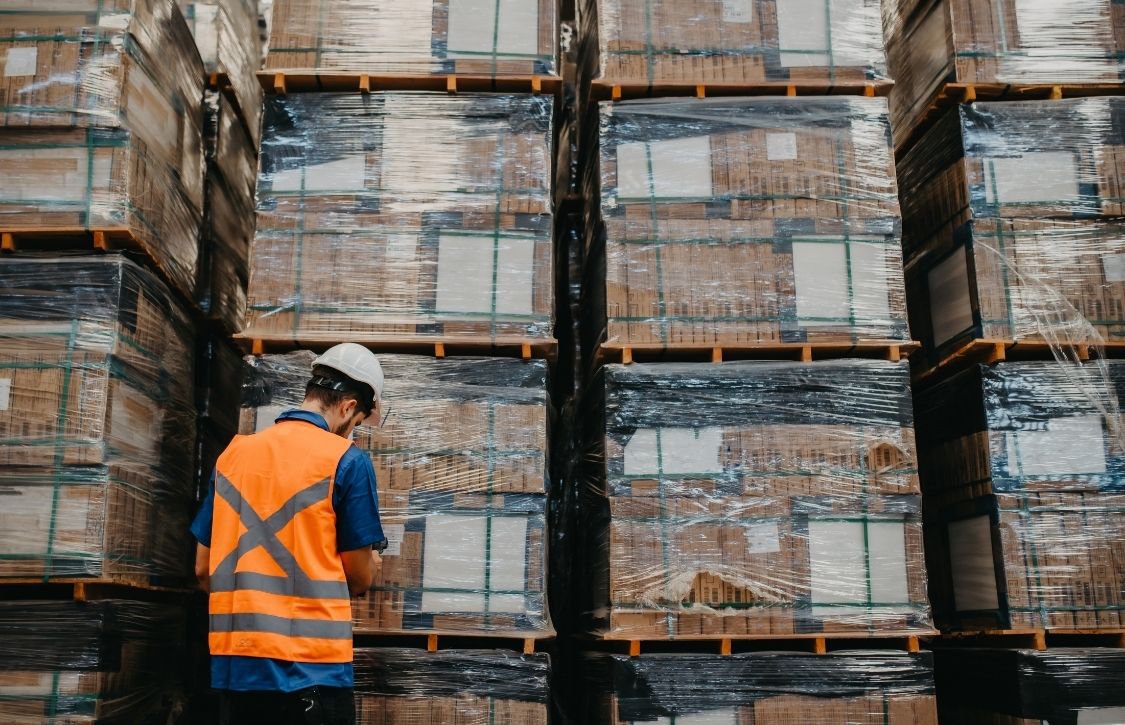
Ensuring Compliance: Using Real-Time Tech for Data Center Asset Tracking
Data center asset tracking improves compliance and reduces costly losses. Discover how real-time visibility keeps every asset secure and accounted for.
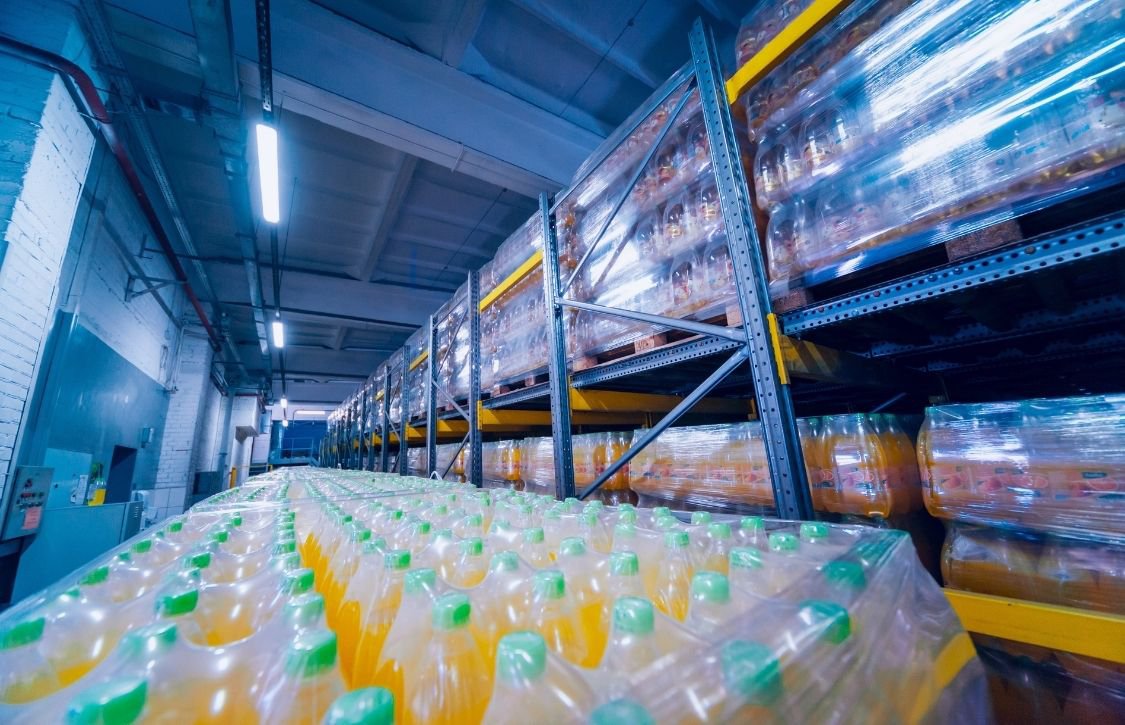
Alcohol and Beverage Storage: Managing Regulatory and Safety Compliance
Beverage logistics requires strict safety and regulatory compliance to protect product quality. Learn how the right facility safeguards your brand and supports profitability.